7 Inspiring Art Business Ideas to Skyrocket Success
 Mean CEO | Violetta Bonenkamp
09/07/2024 - 11 mins read
TL;DR
Want to kickstart your art business? Start with an online art store on Etsy, Shopify, or your own website. Make sure you have high-quality product listings and smart pricing. You can also offer freelance art and design services. Build a diverse portfolio and market your services well. Teaching art classes is another great idea. Choose your niche, set up classes, and attract students.
Ready to grow your art business? Use social media like Instagram and TikTok to promote your art. Create engaging content and use paid ads. Build a strong personal brand with a unique story and a professional website. Look into art licensing and print-on-demand services to expand your reach. For advanced growth, try launching an art subscription box or developing digital products like eBooks. Host art exhibitions and pop-up events to showcase your work. Dive into these STARTUP GAME ideas to build your art empire.
Introduction
Starting an art business can be a challenge. When I began my journey, I faced many hurdles. Over time, I found ways to make my passion profitable. Let me share some key art business ideas to start and grow your creative venture. If that decision is next on your list, the guide on building a startup company will help you make the next move more concrete.

It’s not just about starting; it’s also about growing and scaling your business. I used skills in blockchain and marketing to succeed. Let me guide you with practical tips and my own experiences.
Selling originals is one model among many, so look at other types of business ideas such as classes, subscriptions or digital prints before you price your first piece.
Fundamental Art Business Ideas to Kickstart Your Journey
- 1. Starting an Online Art Store
- 2. Freelance Art and Design Services
- 3. Teaching Art Classes and Workshops
Starting an Online Art Store
Choosing the right platform is the first step. Whether it’s Etsy, Shopify, or your custom website, each has its benefits. Etsy is like a big arts and crafts market, while Shopify offers more custom options. Having your own website gives you full control.
Creating and managing high-quality product listings is key. Good photos and clear descriptions can make a big difference. Show your art from different angles. Use good lighting. Write short but detailed descriptions about the artwork and its unique properties.
Effective pricing strategies are crucial. Don’t undervalue your work. Look at similar artworks to see what they sell for. Consider your costs and the time spent on each piece. Price each artwork fairly so that customers feel they’re getting value.
Freelance Art and Design Services
Building a diverse portfolio is very important. Show different styles and types of art. This makes you attractive to a wider range of clients. Include only your best work to leave a strong impression.
Marketing your services online can be done using various platforms. Use LinkedIn, Instagram, or your website. Share samples of your work and client testimonials. These can help build credibility. Social media ads can also reach lots of people.
Managing client relationships and projects requires clear communication. Always meet deadlines. Keep clients updated on progress. This builds trust and encourages repeat business. Good reviews and referrals can help your business grow.
Teaching Art Classes and Workshops
Identify your niche to target the right audience. Do you enjoy teaching kids, adults, or specific techniques? Knowing this helps you design your classes to suit the needs of your students.
Setting up in-person and virtual classes is easy with the right tools. For in-person classes, find a good location. For virtual classes, platforms like Zoom are great. Make sure your materials are prepared and easy to access.
Marketing your classes involves reaching out to potential students. Use social media, local community boards, and your own network. Offer a free trial class or early bird discounts to attract more students.
For more ideas on art-related business activities, check out this article on Wix. It’s a goldmine of inspiration.
Art and technology go hand in hand. For an insightful look, read this piece from Pinot’s Palette.
Thinking about selling digital art? Check out this guide from Gelato.
How to Skyrocket Your Art Business Success
- 1. Select the right platform: Etsy, Shopify, or a custom site
- 2. Create high-quality product listings
- 3. Use effective pricing strategies
- 4. Build a diverse portfolio
- 5. Market your services online has several options
- 6. Manage your client relationships effectively
- 7. Identify your niche for teaching classes
- 8. Set up both in-person and virtual classes
- 9. Market your classes to attract students
- 10. Choose and leverage the right social media platforms
Growing Your Art Business Ideas for More Impact
- 🎨 Leveraging Social Media for Art Promotion
- 🎨 Building a Strong Personal Brand as an Artist
- 🎨 Exploring Licensing and Print-On-Demand Services
Leveraging Social Media for Art Promotion
Choose the right platforms. For art, Instagram, Pinterest, and TikTok are golden. Instagram provides a perfect visual gallery. Pinterest is great for sharing ideas and seeing trends. TikTok lets you show behind-the-scenes and connect with a younger crowd.
Create consistent and engaging content. Post regularly. Share not only your finished work but also progress shots and stories about your process. Engage with your audience. Reply to comments and messages. This builds a loyal following.
Use paid ads to reach a broader audience. Even a small budget can go a long way on social media. Target your ads to reach people who love art. This can boost not only your following but also your sales.
Building a Strong Personal Brand as an Artist
Craft a unique story and visual identity. Your story separates you from other artists. Share why you create art and what inspires you. Your visual identity should align with your art style.
Create a professional artist website. Having a personal website gives you total control. Include your portfolio, story, and contact information. Make it easy for visitors to buy your art.
Collaborate with influencers and other artists. Partnerships can expand your reach. Choose people whose audience aligns with yours. This can introduce your art to potential new customers.
Exploring Licensing and Print-On-Demand Services
Understand the basics of art licensing. This means allowing others to use your art for products while you earn royalties. It’s a way to make passive income.
Research and select print-on-demand platforms. Services like Society6 and Redbubble handle everything. You upload your art, and they do the rest. This lowers your costs and risk.
Manage intellectual property and royalties. Make sure you know who owns the rights and what percentage of sales you will get. This keeps things fair and clear.
For more on turning your art into digital products, read this guide on selling digital art by Gelato. If you want fresh art business ideas, check out this article on Wix. To learn how technology and art mix, see this piece from Pinot’s Palette.
Advanced Art Business Ideas to Skyrocket Success
- 🚀 Launching an Art Subscription Box
- 🚀 Developing Art-Related Digital Products
- 🚀 Hosting Art Exhibitions and Pop-Up Events
Launching an Art Subscription Box
Curating an art subscription box can be an exciting venture. Think about what makes your box unique. Include exclusive items like limited-edition prints, artist tools, or even DIY projects. Make sure the contents offer great value for the price. A unique box keeps subscribers eager for the next one.
Setting up logistics for subscriptions requires some planning. You’ll need a reliable supplier for your items. Maintaining consistent delivery schedules is key. Use software to manage subscribers and automate renewals. Simplifying these processes helps avoid headaches.
Promote your subscription box to grow your subscriber base. Use social media and mailing lists to drum up interest. Offer special deals for early subscribers. Collaborate with influencers to reach larger audiences. For tips, check out this helpful Wix article on art business ideas.
Developing Art-Related Digital Products
Creating digital products like eBooks or online courses can generate passive income. Start by identifying your audience’s needs. Offer instruction on specific techniques or share your art journey. Digital art prints are also popular. They require no physical storage and can be sold repeatedly.
Distributing these products is straightforward. Platforms like Etsy or Gumroad help you reach a broad audience. Use your own website for direct sales. Having multiple sales channels ensures that more people see your art.
Passive income from digital sales builds over time. Promote your products through social media and newsletters. Engaging with your audience keeps them coming back. For more advice on selling digital art, see this guide from Gelato.
Hosting Art Exhibitions and Pop-Up Events
Finding venues for exhibitions and pop-up events is key. Galleries, community centers, or even cafes can work. The goal is to display your art to a wide audience. Invest time in setting up a visually appealing space to enhance the viewer’s experience.
Collaborating with other artists and local businesses can boost event success. Shared events attract more people and reduce costs. For instance, partnering with a local cafe can draw in different audiences. Joint promotions also expand your reach.
Promote your events extensively. Use social media, local press, and your mailing list. Effective promotion increases attendance. Want to see it in action? Check out how one artist does it in this Josie Lewis article.
For more on leveraging art in tech startups, read this insightful piece on Enterprise League.

Conclusion
Choosing the right art business ideas can set you on the path to success. Start with an online store or offer freelance services. Teaching classes and workshops can also be your entry point. Each of these ideas provides a solid foundation.
As you grow, leverage social media and build a personal brand. Also, consider licensing your art or developing digital products. Hosting events and subscription boxes can further boost your reach. Always be ready to adapt and learn to maintain your growth.
What Are Some Art Business Ideas?
Art business ideas cover a broad spectrum of creative ventures. These can range from creating unique handmade crafts and selling them online to offering customized art for special occasions. Many artists explore workshops and classes to teach their skills. Each idea has its own set of challenges and rewards.
FAQ
How can technology be used in creating artworks?
Technology has revolutionized the creation of art. Artists now use tools like graphic design software, computer programs, and even video games to make their work. This art can be shown on screens, projectors, and other digital platforms. Digital art is a growing field and provides many new opportunities for artists.
How can one generate art business ideas in the local community?
To generate art business ideas locally, think about starting an art gallery or holding outdoor exhibitions. Personal art classes, workshops, and events can also draw interest. Consider a local artisan market or mobile art studio. Community art projects and pop-up installations are ways to engage the community.
How to start a digital art business?
Start by digitizing your art and deciding where to sell it. Protect your digital creations and find a print-on-demand supplier. Add your art to print-on-demand products and choose a platform to sell them. Set up an online store and promote your digital art. Follow these steps to earn passive income from your art.
What is the impact of art on science and technology?
Art has a big impact on science and technology. By mixing art’s visual and creative elements with science’s logical and analytical parts, complex ideas can be easier to understand. This combination makes learning more engaging. It helps scientists and tech experts communicate their work better.
How can tech startups incorporate art business ideas?
Tech startups can tap into art by offering tools for artists or creating platforms for displaying digital art. They can collaborate with artists on tech-driven projects. Another idea is to use art to enhance user experiences in apps or software. Art and tech together can open new revenue streams.
How do tech startups innovate with art?
Tech startups innovate with art by developing new mediums for expression. They use virtual and augmented reality for immersive artistic experiences. They create interactive installations and digital art platforms. Startups can also leverage AI to help artists with design and creation.
What are some creative business ideas for artists?
Artists can explore various creative business ideas such as opening a studio for different art forms. They can offer art classes or workshops. Selling digital art, creating mobile art studios, and starting local art markets are other options. These ideas can bring art closer to the community.
What tips can help generate realistic business ideas for startups?
Start by identifying a problem, not just an idea. Talk to potential customers to understand their needs. Develop a business model that solves a specific problem. Keep your approach simple but effective. Test your idea and be ready to adapt.
What are common challenges for art-focused startups?
Art-focused startups face challenges like finding the right market and competition analysis. They need to develop a unique vision and expand their reach. Funding and managing resources can also be tough. Addressing these issues is key to success.
How to come up with innovative art business ideas?
Innovation in art business ideas starts with exploring new mediums. Think about combining art with technology, like AI or VR. Collaborate with other creative minds. Look at trends in art and technology for inspiration. Creativity and originality are crucial.

Additional Resources
For those embarking on the entrepreneurial journey or looking to enhance their startup knowledge, here are ten invaluable articles and tools that can serve as a guide and inspiration:
- MVP Case Study: How we built a startup game without developers in 12 weeks – Discover how to create an MVP without any coding skills.
- Do It Yourself: why you DON’T need a technical co-founder – Learn why you can start your art business without a tech co-founder.
- Networking and you! – Understand the power of networking for your art business ideas.
- Speaking facts: female-founded startups are destined to bring more profit – Explore the benefits of female-founded startups.
- Inclusiveness as a competitive edge of your startup – See how inclusiveness can boost your art business.
- What is a Startup? – Get the basics of starting a business.
- Things You Need to Know Before Applying for a Startup Grant – Learn how to secure funding for your art business ideas.
- 10 Essential Steps to Launching a Successful Startup with No Money or Technical Skills – Launch your art business on a budget.
- Empower Your Startup Journey with AI Tools: The Ultimate Guide to Success – Utilize AI tools to enhance your art business ideas.
- A huge selection of free startup tools to play with – Explore free tools to help your art business succeed.
Authors

Mean CEO | Violetta Bonenkamp AUTHOR
MeanCEO (aka Violetta Bonenkamp) is a serial startup founder who brings a decade of entrepreneurial experience to the table. Armed with five Higher Education degrees (including an MBA) and profound knowledge in sectors like blockchain, AI, zero code and education she is a maestro in turning ideas into validated businesses, building prototypes in a few hours and devising marketing strategies for tech startups that increase founder's chances of success. Recognized as one of the top 100 women in EU startups, her guidance is a treasure trove for upcoming and established entrepreneurs alike. Through her venture into entrepreneurship, she has created the "gamepreneurship" methodology, an innovative method for learning business through gameplay.

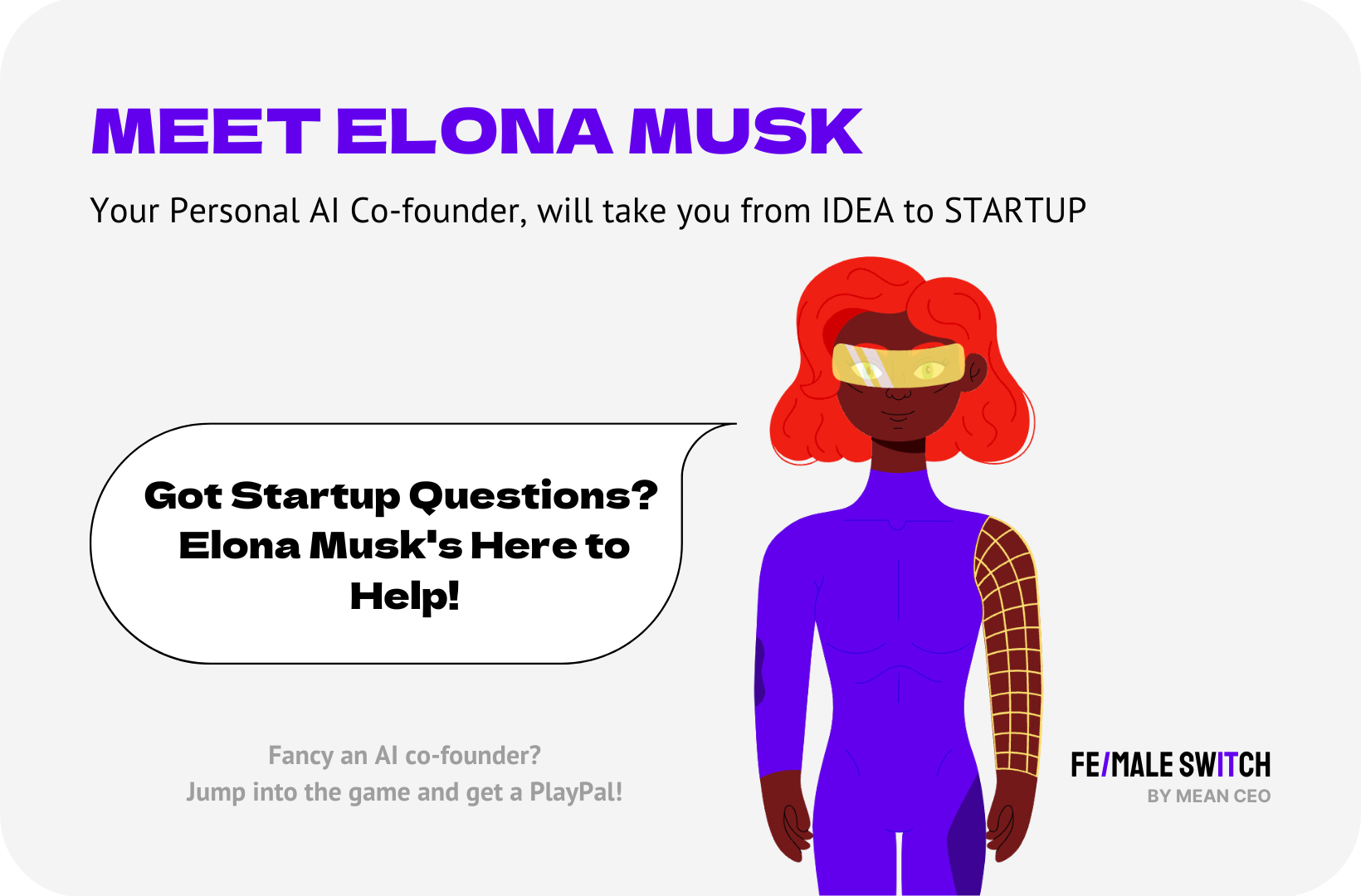
Elona Musk
Elona Musk stands as a mix of innovation and expertise in the realm of AI, serving as the Chief AI Officer at Fe/male Switch. As an embodiment of the startup game for women, Elona is the co-founder you dream of - knowledgeable, always active, capable of keeping trade secrets to herself and equity-free. With her hands-on approach in entrepreneurship simulation, she provides vital strategies and insights that are essential for navigating the complex startup journey and saves entrepreneurs hours of work by automating many tasks, starting from market research to managing social media to writing business plans. Whether it's a marketing strategy for tech startups that you need or a solid IP strategy, Elona's AI-driven insights help carve successful paths for entrepreneurs who don't have technical or startup skills.
Who we are
We are experienced and fun entrepreneurs and awesome AI PlayPals who love building a startup simulator for you to succeed in business

Violetta Bonenkamp
Business and AI expert

Dirk-Jan Bonenkamp
Legal, IP and finance expert
Elona Musk
The first AI entrepreneur

Petra Thiel
The first AI startup investor

Samantha Altman
The first AI startup mentor

Sia Quick
AI Market Research expert
Unleash your inner founder with AI Startup Tools!
Don't just dream it, build it with our range of AI startup tools. From brainstorming ideas to naming your product and crafting a unique logo, these AI tools are your secret weapon to conquer the startup world.
 Newest
Boost Your SEO Game
Generate a customized SEO strategy for your small business agency by answering a simple question. Our tool focuses on free and easy…
 27
19
5/5
Newest
Positioning Pro - Your Strategic Partner
Positioning Pro helps bootstrapped entrepreneurs discover effective segmentation and targeting strategies without spending money. Get tailored insights simply by answering one question.
13
6
5/5
Newest
Gated Content Strategy Tool
This tool provides actionable strategies for bootstrapped entrepreneurs, leveraging free and easy methods to kickstart your journey.
25
18
5/5
Recommended for you

Venmo Small Business Grant: Amounts, Rules and Next Round
Every Venmo Small Business Grant round checked against Venmo's and PayPal's own pages: amounts, winners, eligibility, judging, status and open alternatives.
Read more
Small Business Grants for Women in Texas: Amounts and Dates
Texas grants for women-owned businesses checked on official pages: TWU StartUP and Rural grants, Amber Grant, state and city programs, rules and deadlines.
Read more
Your First Cold Campaign: A Deliverability Guide for Founders
First cold email campaign? Set up a separate sending domain, SPF, DKIM and DMARC, warm up, clean your list and run this pre-send checklist before you hit send.
Read more